Buy sex-live.eu ?
We are moving the project
sex-live.eu .
Are you interested in purchasing the domain
sex-live.eu ?
domain@kv-gmbh.de · 0541-91531010
Buy sex-live.eu ?
What are reactants and products?
Reactants are the starting materials in a chemical reaction that undergo a change to form new substances called products. Reactants are consumed during the reaction, while products are the end result of the reaction. The reactants are typically written on the left side of a chemical equation, while the products are written on the right side. **
What are limiting reactants in chemistry?
Limiting reactants, also known as limiting reagents, are the reactants in a chemical reaction that are completely consumed, thus limiting the amount of product that can be formed. In other words, they determine the maximum amount of product that can be produced in a reaction. The concept of limiting reactants is important in stoichiometry, as it helps to determine the theoretical yield of a reaction and identify the excess reactant that will be left over after the reaction is complete. **


Similar search terms for Reactants
Top-Angebote
Products related to Reactants:
-
More Sex - 50 Ml Fragrance Charlotte Tilbury 625 More Sex Size:More Sex feels SEDUCTIVE and TEMPTING, like a RUSH OF PASSION through your body, that combines the perfect blend of bold black pepper oil and magnetic juniper berry oil for an intoxicating allure. A FIERY UNION of sultry ambroxan, velvety musk and animalic aldron create the hypnotic sexual accord that leaves you feeling like you want more. The magnetism of the scent is enhanced by the ADDICTIVE and INTOXICATING leather accord and SENSUAL caressing sandalwood. More Sex is a fragrance full of PASSION and SENSUALITY, it is the perfect scent for an ALLURING AURA OF ATTRACTION! It glides over your skin, leaving a SEXY, HYPNOTIC scent trail in its path that can put you in the mood - with an exceptional scent trail that lasts up to 18 HOURS! More Sex is now available in a 50ml size perfect for travelling, trying, gifting + spraying on SEDUCTION! TRY ME FIRST! BUY A 50ML BOTTLE AND RECEIVE A FREE 1.5ML SAMPLE TO TRY, WEAR AND FALL IN LOVE WITH - OR YOUR MONEY BACK!§ MAGIC FRAGRANCE NOTES TOP: Bold black pepper oil, magnetic juniper berry oil HEART: Seductive sexual accord (ambroxan, sexual musk, aldron), addictive leather accord BASE: Velvety musk, caressing ambery wood, sensual sandalwood oil80,00 £*Shipping: 0,00 £Secure redirect to the provider
-
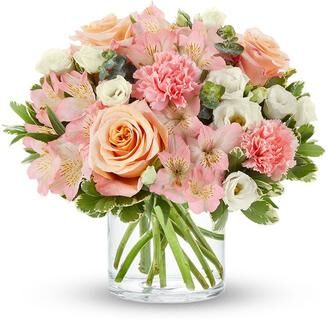
From You Flowers Flowers - Passionate PeachesA delicious bouquet with hues of pink, peach, and white with pops of green. The Peach Cobbler bouquet features peach roses, pink carnations, pink alstroemeria, and white lisianthus with floral greens. A beautiful and soft arrangement that loved ones...39,99 $*Shipping: 14,99 $Secure redirect to the provider
-
Oriflame Love Potion Sensual Ruby EDP W 50 mlOriflame Love Potion Sensual Ruby, 50 ml, Eaux de Parfum for Women, Treat your senses to a true gourmand experience. Oriflame Love Potion Sensual Ruby Eau de Parfum for women offers delicious notes that are nearly impossible to resist – especially if you love your sweets. gourmand fragrance floral fragrance brings out the sensuality in every woman suitable for everyday wear luxury fragrance for connoisseurs19,80 £*Shipping: 3,99 £Secure redirect to the provider



-
How do you calculate reactants in chemistry?
To calculate reactants in chemistry, you first need to write a balanced chemical equation for the reaction. Then, determine the molar ratio between the reactants and the product in the balanced equation. Next, calculate the number of moles of the known reactant using its given mass or volume and its molar mass. Finally, use the molar ratio to calculate the number of moles of the other reactant needed for the reaction. **
-
Are only reactants given in redox reactions?
No, redox reactions involve both reactants and products. In a redox reaction, one substance undergoes oxidation (loses electrons) while another undergoes reduction (gains electrons). Therefore, both the reactants and products are involved in the redox process. The reactants are the starting materials that undergo the redox reaction, while the products are the resulting substances after the redox reaction has occurred. **
-
How do you calculate the reactants in chemistry?
To calculate the reactants in a chemical reaction, you first need to write out the balanced chemical equation for the reaction. Then, you can use stoichiometry to calculate the amount of reactants needed based on the desired amount of product. This involves using the coefficients in the balanced equation to set up conversion factors and then using these conversion factors to calculate the amount of reactants required. Finally, you can use the molar mass of the reactants to convert between mass and moles if necessary. **
-
How do you calculate the required amount of reactants?
To calculate the required amount of reactants, you first need to determine the balanced chemical equation for the reaction. Then, you can use stoichiometry to convert the given amount of one reactant to the amount of the other reactant needed for the reaction. This involves using the molar ratios from the balanced equation to convert between moles of the given reactant and moles of the required reactant. Finally, you can use the molar mass of the required reactant to convert from moles to the required amount in grams or other units as needed. **

What are the products and what are the reactants?
In a chemical reaction, the reactants are the substances that undergo a chemical change to form new substances called products. Reactants are the starting materials that are transformed into products during the reaction. The products are the end result of the chemical reaction, formed from the rearrangement of atoms in the reactants. The reactants are consumed during the reaction, while the products are the new substances that are produced. **
Why do the reactants not disappear in chemical reactions?
The reactants do not disappear in chemical reactions because of the law of conservation of mass, which states that matter cannot be created or destroyed in a chemical reaction. Instead, the reactant molecules are rearranged and their bonds are broken and formed to produce new products. This means that the total mass of the reactants is conserved and is equal to the total mass of the products. Therefore, the reactants do not disappear, but rather undergo a transformation into new substances. **
Top-Angebote
Products related to Reactants:
-
More Sex - 10 Ml Fragrance Charlotte Tilbury 1773 More Sex Size:More Sex feels SEDUCTIVE and TEMPTING, like a RUSH OF PASSION through your body, that combines the perfect blend of bold black pepper oil and magnetic juniper berry oil for an intoxicating allure. A FIERY UNION of sultry ambroxan, velvety musk and animalic aldron create the hypnotic sexual accord that leaves you feeling like you want more. The magnetism of the scent is enhanced by the ADDICTIVE and INTOXICATING leather accord and SENSUAL caressing sandalwood. More Sex is a fragrance full of PASSION and SENSUALITY, it is the perfect scent for an ALLURING AURA OF ATTRACTION! It glides over your skin, leaving a SEXY, HYPNOTIC scent trail in its path that can put you in the mood - with an exceptional scent trail that lasts up to 18 HOURS! MAGIC FRAGRANCE NOTES TOP: Bold black pepper oil, magnetic juniper berry oil HEART: Seductive sexual accord (ambroxan, sexual musk, aldron), addictive leather accord BASE: Velvety musk, caressing ambery wood, sensual sandalwood oil20,00 £*Shipping: 2,95 £Secure redirect to the provider
-
More Sex - 50 Ml Fragrance Charlotte Tilbury 625 More Sex Size:More Sex feels SEDUCTIVE and TEMPTING, like a RUSH OF PASSION through your body, that combines the perfect blend of bold black pepper oil and magnetic juniper berry oil for an intoxicating allure. A FIERY UNION of sultry ambroxan, velvety musk and animalic aldron create the hypnotic sexual accord that leaves you feeling like you want more. The magnetism of the scent is enhanced by the ADDICTIVE and INTOXICATING leather accord and SENSUAL caressing sandalwood. More Sex is a fragrance full of PASSION and SENSUALITY, it is the perfect scent for an ALLURING AURA OF ATTRACTION! It glides over your skin, leaving a SEXY, HYPNOTIC scent trail in its path that can put you in the mood - with an exceptional scent trail that lasts up to 18 HOURS! More Sex is now available in a 50ml size perfect for travelling, trying, gifting + spraying on SEDUCTION! TRY ME FIRST! BUY A 50ML BOTTLE AND RECEIVE A FREE 1.5ML SAMPLE TO TRY, WEAR AND FALL IN LOVE WITH - OR YOUR MONEY BACK!§ MAGIC FRAGRANCE NOTES TOP: Bold black pepper oil, magnetic juniper berry oil HEART: Seductive sexual accord (ambroxan, sexual musk, aldron), addictive leather accord BASE: Velvety musk, caressing ambery wood, sensual sandalwood oil80,00 £*Shipping: 0,00 £Secure redirect to the provider
-
From You Flowers Flowers - Passionate PeachesA delicious bouquet with hues of pink, peach, and white with pops of green. The Peach Cobbler bouquet features peach roses, pink carnations, pink alstroemeria, and white lisianthus with floral greens. A beautiful and soft arrangement that loved ones...39,99 $*Shipping: 14,99 $Secure redirect to the provider
-
What are reactants and products?
Reactants are the starting materials in a chemical reaction that undergo a change to form new substances called products. Reactants are consumed during the reaction, while products are the end result of the reaction. The reactants are typically written on the left side of a chemical equation, while the products are written on the right side. **
-
What are limiting reactants in chemistry?
Limiting reactants, also known as limiting reagents, are the reactants in a chemical reaction that are completely consumed, thus limiting the amount of product that can be formed. In other words, they determine the maximum amount of product that can be produced in a reaction. The concept of limiting reactants is important in stoichiometry, as it helps to determine the theoretical yield of a reaction and identify the excess reactant that will be left over after the reaction is complete. **
-
How do you calculate reactants in chemistry?
To calculate reactants in chemistry, you first need to write a balanced chemical equation for the reaction. Then, determine the molar ratio between the reactants and the product in the balanced equation. Next, calculate the number of moles of the known reactant using its given mass or volume and its molar mass. Finally, use the molar ratio to calculate the number of moles of the other reactant needed for the reaction. **
-
Are only reactants given in redox reactions?
No, redox reactions involve both reactants and products. In a redox reaction, one substance undergoes oxidation (loses electrons) while another undergoes reduction (gains electrons). Therefore, both the reactants and products are involved in the redox process. The reactants are the starting materials that undergo the redox reaction, while the products are the resulting substances after the redox reaction has occurred. **
Similar search terms for Reactants
-
Oriflame Love Potion Sensual Ruby EDP W 50 mlOriflame Love Potion Sensual Ruby, 50 ml, Eaux de Parfum for Women, Treat your senses to a true gourmand experience. Oriflame Love Potion Sensual Ruby Eau de Parfum for women offers delicious notes that are nearly impossible to resist – especially if you love your sweets. gourmand fragrance floral fragrance brings out the sensuality in every woman suitable for everyday wear luxury fragrance for connoisseurs19,80 £*Shipping: 3,99 £Secure redirect to the provider
-
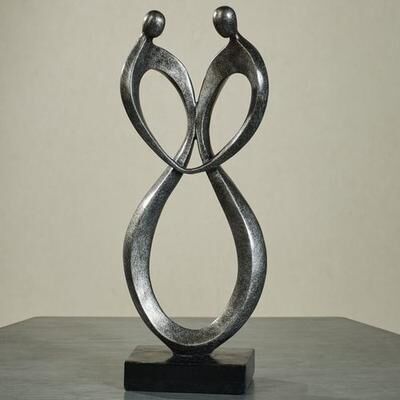
Touch of Class Passionate Dance Sculpture Silver , SilverWild and intense or slow and steady, a couple's life together can certainly be a Passionate Dance. With an abstract looped design, the silver resin sculpture resembles two people locked together atop a square base. Overall, the sculpture measures 6...79,00 $*Shipping: 15,95 $Secure redirect to the provider
-
How do you calculate the reactants in chemistry?
To calculate the reactants in a chemical reaction, you first need to write out the balanced chemical equation for the reaction. Then, you can use stoichiometry to calculate the amount of reactants needed based on the desired amount of product. This involves using the coefficients in the balanced equation to set up conversion factors and then using these conversion factors to calculate the amount of reactants required. Finally, you can use the molar mass of the reactants to convert between mass and moles if necessary. **
-
How do you calculate the required amount of reactants?
To calculate the required amount of reactants, you first need to determine the balanced chemical equation for the reaction. Then, you can use stoichiometry to convert the given amount of one reactant to the amount of the other reactant needed for the reaction. This involves using the molar ratios from the balanced equation to convert between moles of the given reactant and moles of the required reactant. Finally, you can use the molar mass of the required reactant to convert from moles to the required amount in grams or other units as needed. **
-
What are the products and what are the reactants?
In a chemical reaction, the reactants are the substances that undergo a chemical change to form new substances called products. Reactants are the starting materials that are transformed into products during the reaction. The products are the end result of the chemical reaction, formed from the rearrangement of atoms in the reactants. The reactants are consumed during the reaction, while the products are the new substances that are produced. **
-
Why do the reactants not disappear in chemical reactions?
The reactants do not disappear in chemical reactions because of the law of conservation of mass, which states that matter cannot be created or destroyed in a chemical reaction. Instead, the reactant molecules are rearranged and their bonds are broken and formed to produce new products. This means that the total mass of the reactants is conserved and is equal to the total mass of the products. Therefore, the reactants do not disappear, but rather undergo a transformation into new substances. **
* All prices are inclusive of VAT and, if applicable, plus shipping costs. The offer information is based on the details provided by the respective shop and is updated through automated processes. Real-time updates do not occur, so deviations can occur in individual cases. ** Note: Parts of this content were created by AI.